
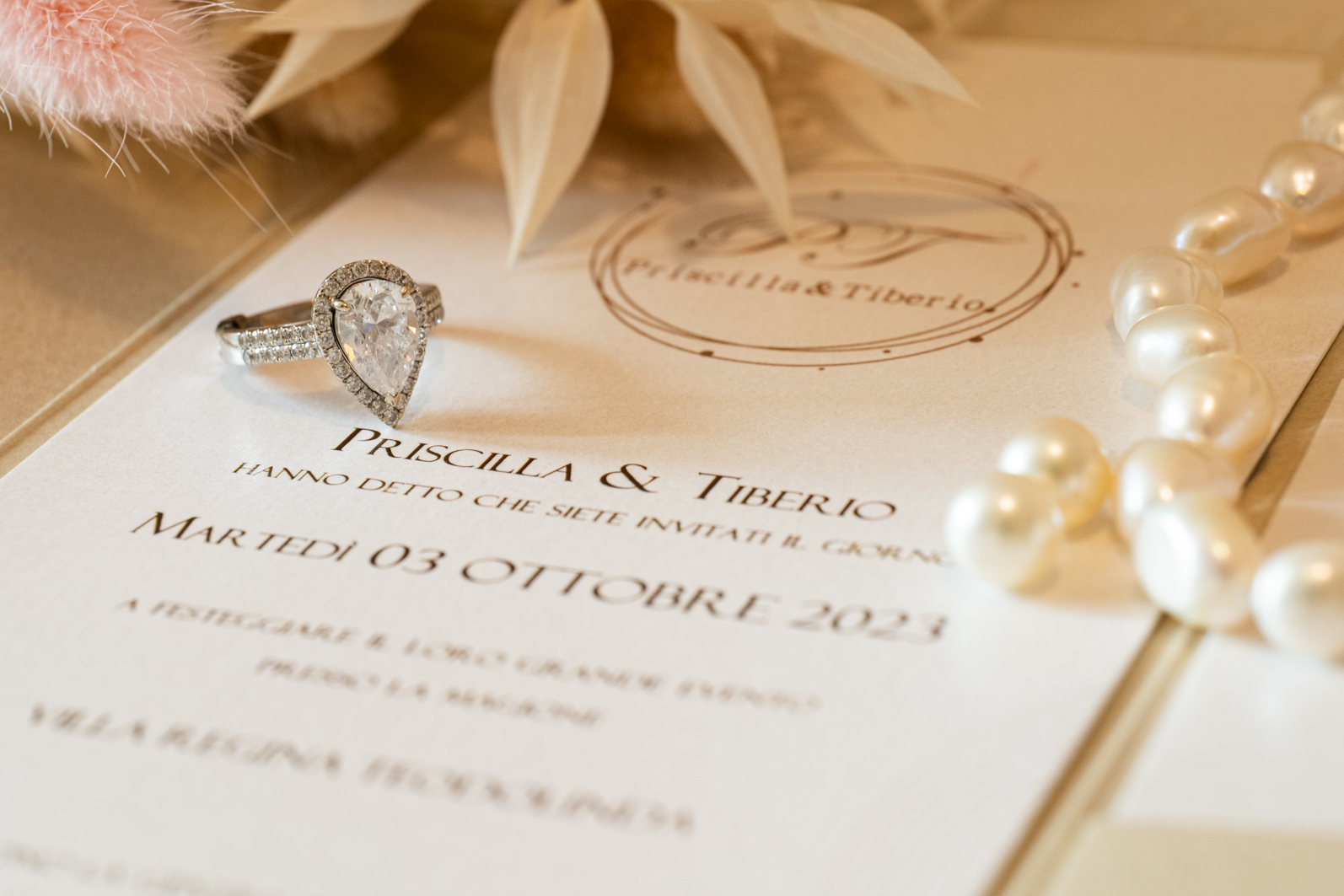
The engagement ring is one of the most powerful symbols of a marriage proposal. It is often the first tangible sign of a lifelong commitment, a small object charged with emotional meaning, expectations and dreams for the future. Choosing an engagement ring is therefore not just a matter of aesthetics, but a deeply personal decision that blends tradition, symbolism and individual taste.
Within a marriage proposal, the ring plays a central role. It becomes the focal point of the moment, the detail that transforms a romantic question into a promise. For this reason, selecting the right engagement ring deserves time, reflection and a thoughtful approach — one that considers not only style and budget, but also the story you want to tell as a couple.
Why Is the Engagement Ring So Important in a Marriage Proposal?
An engagement ring represents continuity, commitment and intention. The circular shape itself is symbolic: it has no beginning and no end, echoing the idea of eternal love. Over time, this symbolism has been reinforced by culture, tradition and marketing, turning the engagement ring into a universal language of love.
When someone kneels and opens a ring box during a marriage proposal, that gesture immediately communicates seriousness, devotion and a vision of shared future. Even in modern relationships, where rules are more flexible and personal preferences vary, the engagement ring still holds a unique emotional power.

A Brief History of the Engagement Ring
The tradition of giving a ring during a marriage proposal dates back centuries. One of the earliest documented examples is often attributed to Archduke Maximilian of Austria, who in 1477 presented Mary of Burgundy with a diamond ring as a promise of marriage. From that moment on, the diamond began to establish itself as a symbol of enduring love.
However, engagement rings were not always diamond-centered. For centuries, rings featured colored gemstones, engraved motifs or symbolic designs. It was only in the 20th century that diamonds became the dominant choice — largely thanks to one of the most famous advertising campaigns in history.
In 1947, the slogan “A Diamond Is Forever” was introduced by the advertising agency N.W. Ayer for De Beers, fundamentally reshaping public perception. The claim connected diamonds with eternity and emotional permanence, embedding the idea that an engagement ring should be both precious and everlasting. This campaign didn’t invent the engagement ring, but it defined modern expectations around it

How Do I Choose the Right Engagement Ring?
Choosing an engagement ring is an intimate process that should reflect both your partner’s personality and your shared values. There is no single “right” choice — only the one that feels authentic to your relationship.
One of the first considerations is budget. While tradition and marketing often suggest spending a certain amount, the reality is far more personal. An engagement ring should never be a financial burden. What matters is meaning, not price.
Some couples choose a new ring, crafted specifically for the proposal. Others opt for a family heirloom, rich with history and emotional continuity. A vintage or inherited ring can carry a profound sense of belonging and tradition, transforming the proposal into a bridge between generations.
The choice of gemstone is another deeply personal decision. While diamonds remain the most popular option, many couples today explore alternatives that better reflect their style or values.

Is a Diamond the Only Option for an Engagement Ring?
Although diamonds remain the most traditional and widely recognized choice for an engagement ring, they are by no means the only option — nor are they necessarily the most meaningful for every couple.
Over the centuries, many gemstones have been associated with love, commitment and emotional depth, long before diamonds became dominant in the modern imagination. Today, more couples are rediscovering these alternatives, drawn by their symbolism, color and individuality.
Sapphires, traditionally associated with loyalty, wisdom and sincerity, are among the most popular alternatives to diamonds. Their deep blue hue conveys elegance and depth, but sapphires also exist in lighter blues, pinks and even yellow tones, making them surprisingly versatile. Their hardness makes them suitable for everyday wear, an important factor for an engagement ring.
Emeralds, with their unmistakable green color, symbolize rebirth, harmony and enduring love. Historically linked to royalty and refinement, emeralds have a romantic, almost poetic appeal. Their vivid color immediately sets them apart, although their relative delicacy requires thoughtful setting choices.
Rubies, known for their intense red shade, represent passion, strength and devotion. They have been treasured for centuries as stones of power and protection, and their bold color makes them a striking choice for someone with a strong, expressive personality.
Softer-toned gemstones are also increasingly popular. Morganite, with its blush pink hue, is often chosen for its romantic and contemporary feel, while aquamarine, with its pale blue color, evokes calm, clarity and emotional balance. These stones are particularly appreciated by couples seeking a lighter, more ethereal aesthetic.
In recent years, lab-grown gemstones have gained attention as well, offering ethical and sustainable alternatives without compromising beauty. Whether natural or lab-created, what truly matters is that the gemstone resonates with the wearer — emotionally, visually and symbolically.
Ultimately, the best engagement ring stone is not defined by tradition alone, but by meaning. Choosing a gemstone that reflects your partner’s personality and your shared values can make the ring even more special.

What Are the Most Classic Engagement Ring Cuts and Settings?
The cut of a gemstone has a significant impact on the overall look of an engagement ring. Classic cuts have stood the test of time because of their balance, elegance and ability to enhance brilliance.
The round cut remains the most traditional and popular choice, celebrated for its symmetry and light reflection. The oval cut offers a softer, elongated shape, while the princess cut feels more modern and geometric. The emerald cut, with its clean lines and step facets, emphasizes clarity and sophistication rather than sparkle.
Equally important is the setting, which determines how the stone is held and presented. A solitaire setting highlights the gemstone in its purest form, while halo settings add brilliance and visual impact. Vintage-inspired settings, often featuring intricate details, appeal to those who love timeless elegance.
The choice of metal also influences the final result. Yellow gold conveys warmth and tradition, white gold and platinum offer a refined, contemporary look, while rose gold adds a romantic, distinctive touch. Each metal interacts differently with gemstones and skin tones, contributing to the ring’s overall harmony.


How Do I Find My Partner’s Ring Size Without Ruining the Surprise?
One of the most practical — and delicate — aspects of choosing an engagement ring is determining the correct ring size. Doing this discreetly requires creativity and attention.
Some people borrow a ring their partner already wears, making sure it’s worn on the same finger. Others enlist the help of close friends or family members. In certain cases, a jeweler can provide guidance based on hand proportions, although this is less precise.
Even if the size is not perfect, most rings can be resized after the proposal. What truly matters is preserving the magic of the moment while minimizing stress.
Famous Engagement Rings in History
Throughout history, engagement rings have captured public imagination not simply because of their value, but because of the stories they represent. Many famous rings are remembered not for their size or cost, but for their symbolism and emotional resonance.
One of the most iconic engagement rings in modern history is that of Queen Elizabeth II. Prince Philip designed the ring using diamonds taken from a tiara that belonged to his mother, Princess Alice of Battenberg. The result was an elegant, personal piece that combined royal heritage with intimate sentiment.
Equally famous is the engagement ring of Kate Middleton, now Princess of Wales. Featuring a large oval sapphire surrounded by diamonds, the ring originally belonged to Princess Diana. Its choice broke with diamond tradition at the time and has since become one of the most influential engagement rings ever, inspiring countless sapphire designs worldwide.
Another remarkable example is Grace Kelly’s engagement ring, given by Prince Rainier III of Monaco. While her final ring featured a diamond, she was initially proposed to with a ring set with rubies and diamonds arranged to form the colors of the Monegasque flag — a beautiful example of symbolism woven into design.
Jackie Kennedy’s engagement ring from John F. Kennedy featured emeralds and diamonds, reflecting her refined taste and love for distinctive, non-traditional combinations. The emeralds added both color and personality to a ring that became emblematic of timeless elegance.
A more contemporary example is Princess Eugenie’s engagement ring, featuring a rare padparadscha sapphire — a gemstone known for its delicate blend of pink and orange hues. The choice highlighted individuality and emotional meaning over convention.
These famous engagement rings remind us that there is no single formula for perfection. Across history, the most memorable rings are those that tell a story — of love, identity, heritage and personal choice — proving that an engagement ring’s true value lies far beyond the gemstone itself.
Final Thoughts on Choosing an Engagement Ring
An engagement ring is much more than a piece of jewelry. It is a promise, a symbol and often the first physical expression of a shared future. Whether classic or unconventional, modest or elaborate, its value lies in the intention behind it.
Choosing the right engagement ring means listening — to your partner’s taste, to your shared story, and to what feels right for you as a couple. When selected with care and love, the ring becomes a timeless companion to the marriage proposal itself, marking the beginning of a new chapter that will be remembered forever.